What’s the future of influencer marketing when AI can simulate influence?
Digital Transformation
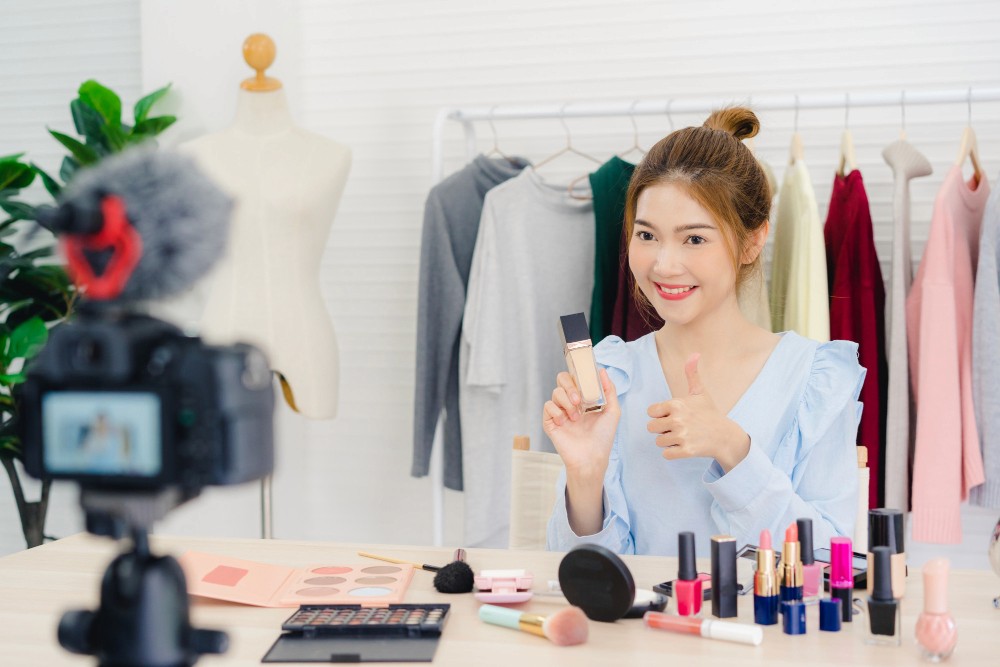
Influencer marketing has become one of the most powerful digital marketing strategies of the past decade. Brands collaborate with creators who have built loyal audiences across platforms like Instagram, YouTube, and TikTok.
But a new shift is emerging.
Artificial Intelligence can now generate human-like avatars, write persuasive content, produce videos, and simulate personalities. Some brands are already working with AI-generated influencers who never age, never get tired, and can create content 24/7.
This raises an important question:
What happens to influencer marketing when AI can simulate influence itself?
The answer is not the end of influencers, but rather the evolution of influence itself.
The Rise of AI-Generated Influencers
AI-generated influencers are virtual characters created using advanced AI technologies such as computer graphics, generative models, and machine learning.
These digital personalities can:
post on social media
interact with followers
promote brands
appear in advertisements
create videos and images
Some AI influencers already have millions of followers, and brands collaborate with them just like traditional creators.
The appeal is obvious.
AI influencers offer brands complete creative control, consistent branding, and the ability to scale content production without human limitations.
Why Brands Are Exploring AI Influencers
There are several reasons companies are experimenting with AI-driven influencers.
1. Cost Efficiency
Working with human influencers can be expensive. High-profile creators often charge large fees for brand collaborations.
AI influencers, once developed, can produce unlimited content with lower ongoing costs.
2. Full Brand Control
Human influencers have personal opinions and unpredictable behavior, which can sometimes lead to controversies.
AI influencers are fully controlled by the brand or agency, reducing reputational risks.
3. Scalability
AI systems can generate large volumes of content across multiple platforms simultaneously.
Brands can create localized versions of AI influencers for different markets, languages, and audiences.
4. 24/7 Content Creation
Unlike human creators, AI influencers can produce content continuously, adapting messaging and campaigns in real time.
The Problem of Authenticity
Despite these advantages, AI-generated influencers face one major challenge: trust and authenticity.
Influencer marketing works because audiences feel a personal connection with creators. Followers often trust influencers because they appear genuine and relatable.
If audiences discover that influence is entirely simulated, it may reduce credibility.
Consumers increasingly value transparency and authenticity in brand communication. This means brands must carefully balance automation with human storytelling.
Human Creators Still Hold a Key Advantage
While AI can simulate influence, human influencers still bring unique qualities that technology cannot easily replicate.
These include:
real-life experiences
emotional storytelling
genuine opinions
community relationships
Audiences often connect with influencers because they share real journeys, struggles, and achievements.
These emotional connections are difficult for AI systems to reproduce authentically.
The Future: Hybrid Influencer Ecosystems
The future of influencer marketing will likely involve a hybrid ecosystem where AI and human creators coexist.
Possible models include:
AI-Assisted Influencers
Human creators will increasingly use AI tools to:
generate content ideas
edit videos
optimize engagement strategies
personalize audience communication
AI becomes a creative assistant rather than a replacement.
Virtual Brand Ambassadors
Some brands will use AI-generated personalities as digital brand ambassadors.
These characters may represent a brand's identity across campaigns, customer engagement, and digital platforms.
Hyper-Personalized Marketing
AI can analyze audience data and generate personalized content for different audience segments.
Instead of one influencer message for millions of followers, AI could create customized influence for each audience group.
Ethical and Transparency Considerations
As AI-generated influence becomes more common, ethical questions will emerge.
Key considerations include:
transparency about AI-generated content
disclosure requirements for virtual influencers
protection against misinformation or manipulation
Regulators and platforms may introduce guidelines to ensure audiences understand when content is created by AI.
What This Means for Brands
Brands entering the next phase of influencer marketing should focus on:
balancing automation with authenticity
maintaining transparency with audiences
using AI to enhance creativity rather than replace it
building long-term relationships with both human and virtual creators
Organizations that integrate AI thoughtfully will be able to scale content production while preserving trust with their audiences.
AI is beginning to simulate influence in ways that were unimaginable only a few years ago.
However, the future of influencer marketing is not about replacing human creators. Instead, it will involve a new ecosystem where AI amplifies creativity, scales engagement, and enables more personalized digital experiences.
Influence itself is evolving.
The brands that succeed will be those that combine technology, storytelling, and authenticity to build meaningful connections with audiences in an AI-driven world.
Related Reads for You
Discover more articles that align with your interests and keep exploring.

Contact us
Feel free to reach out to us using the options below, and our dedicated team will respond to your inquiries promptly.

Have a Challenge or an Idea?
Fill out the form, and let’s talk about how we can support your business with tailored solutions.

Book a free consultation
By submitting this form you agree to our Privacy Policy. Optimum may contact you via email or phone for scheduling or marketing purposes.